Understanding Brand Equity and Goodwill
Brand Equity What Does It Mean in 2025: From Core Elements to Goodwill, Goals, and Strategic Measurement
Guide on Understanding Brand Equity and Goodwill
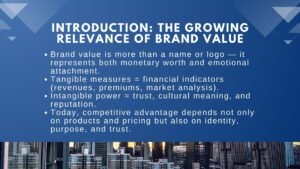
Brand equity has become among the most decisive factors in terms of long-term corporate value in a more competitive and intangible-driven global economy. In addition to logos, slogans and marketing campaigns, brand equity is what is perceived by the stakeholders and their level of trust and emotional attachment towards a brand. Understanding brand equity what does it mean is no longer limited to marketing teams; it is now central to corporate strategy, valuation, mergers and acquisitions, and financial reporting.
The trend with business shifting to data-driven decision-making and optimisation of intangible assets, brand equity 2025 is discussed with measurements of value creation, integration with goodwill, and alignment with strategic objectives. This article is a well-rounded and professional piece of advice on brand equity, with a focus on its structural aspects, valuation applicability, strategic objectives and its changing position in the contemporary business environment.
1. Brand Equity What Does It Mean: A Strategic Definition
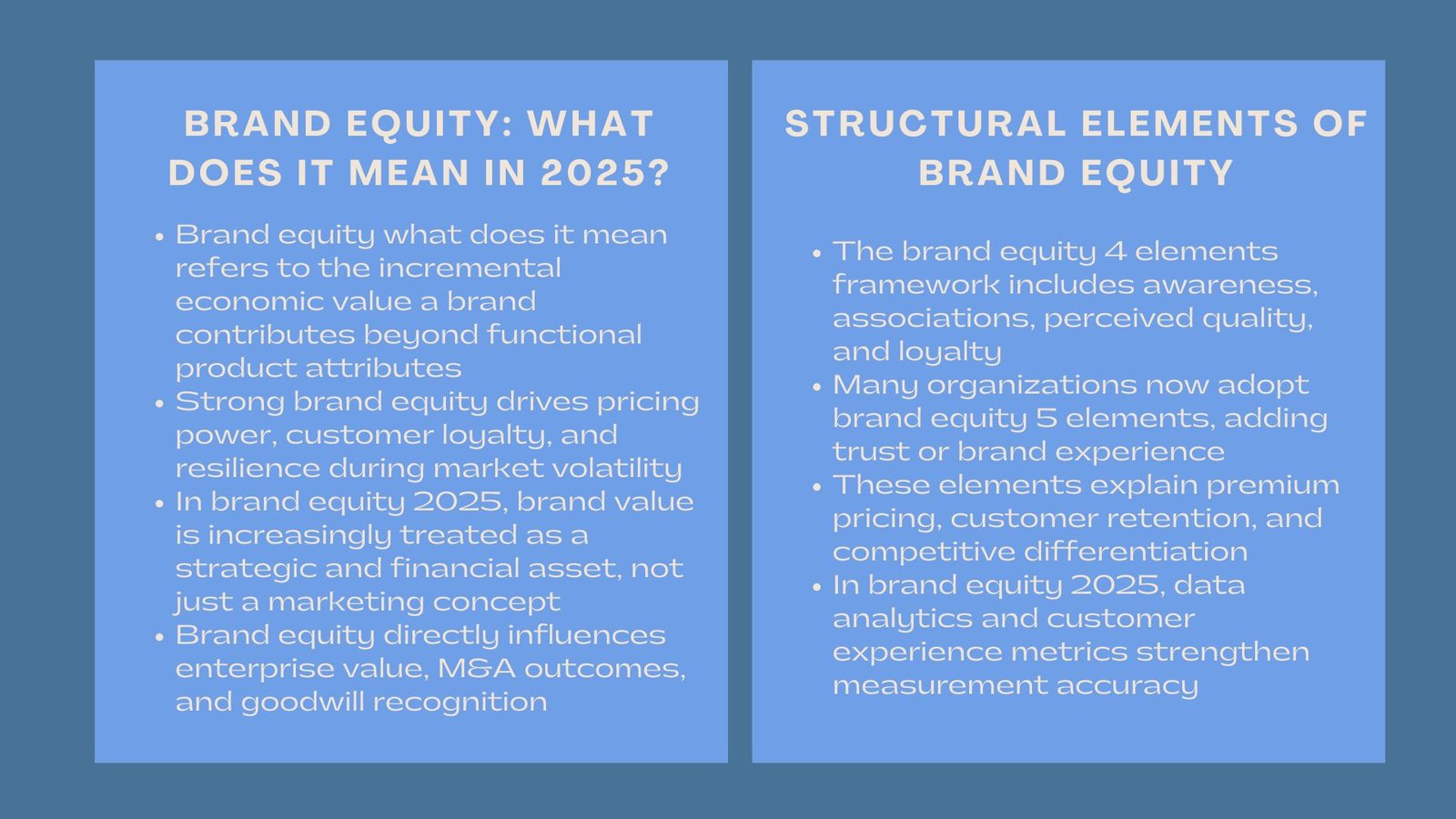
In order to comprehend the impact of brand equity on the business, there is a need to define what is meant by brand equity in terms of strategy and economics. Brand equity means the value added to a product, service or company that a brand envisages that it brings in addition to functional characteristics of a product or service. This value is developed through perceptions, experiences and associations of consumers that have been developed over time.
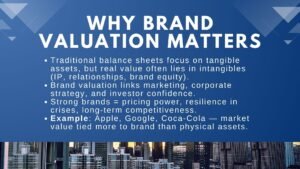
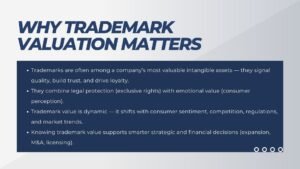
In the corporate view, brand equity will be translated into pricing power, customer loyalty, decreased marketing cost and strength during economic slumps. Strong brand equity can take the form of identifiable intangible assets in valuation and accounting discourses, or also grow directly on to the goodwill in an acquisition. Consequently, brand equity has ceased being an abstract idea but a quantifiable cause of enterprise value.
2. Core Frameworks: Brand Equity 4 Elements and Their Business Meaning
The model of brand equity 4 elements is one of the most commonly used theories in branding. This framework can be used as a guiding framework in explaining brand value building and maintenance.
2.1 Awareness, Associations, Perceived Quality, and Loyalty
The brand equity 4 elements consist of brand awareness, brand associations, perceived quality and brand loyalty. Awareness is the ease with which a brand can be recalled, and associations are the ideas and the emotion attached to the brand. Perceived quality is associated with the customer perceptions regarding high quality, and loyalty is associated with a repeat purchase and advocacy.
Practically, a consumer electronics firm whose awareness and loyalty is high can charge high prices even in the saturated markets. All of these four factors lead to the fact that certain brands perform better than others even when they have close features of their products.
2.2 Strategic Relevance in 2025
These four elements are becoming more backed up with data analytics, social listening, and customer experience measures in the context of brand equity 2025. Business firms are no longer using surveys alone and are combining behavioral data to measure each constituent more precisely.
3. Expanding the Model: Brand Equity 5 Elements in Modern Practice
Although the four element framework is still powerful, brand equity, 5 elements are now more widely used in different organisations considering the changing market trends.
3.1 Adding Brand Trust or Brand Experience
Brand trust or brand experience is often a fifth component that is added to the brand equity 5 elements model. The aspect of trust in the digital economies has gained prominence and is important due to the extent that data privacy, transparency, and ethical conduct affect brand perception. At the same time, experience represents all the experiences, which a customer has in encounter with a brand both online and in the real world.
Global financial institutions are a case in point as global financial bodies are putting more emphasis on trust as a central factor of brand equity especially following regulatory scrutiny and market unpredictability. It has evolved to show how brand equity 2025 models are reacting to society and technological changes.
3.2 Implications for Management and Valuation
Application of brand equity 5 elements enables the management to synchronise branding efforts with the wider corporate governance and risk management policies. Valuation wise, these are other factors that help to explain high acquisition prices and high balances of goodwill.
4. Brand Equity Goals: Aligning Brand Strategy with Business Outcomes
Consistent brand equity goals are a prerequisite of the transformation of the conceptual frameworks into the working strategies. In the absence of set goals, brand equity is an illusionary concept instead of a performance motor.
4.1 Typical Strategic Goals of Brand Equity
The most frequent brand equity goals involve improvement of customer loyalty, market share, premium pricing, and enterprise value over the long term. These objectives have frequently been incorporated in the larger corporate KPIs, relating brand performance to financial results.
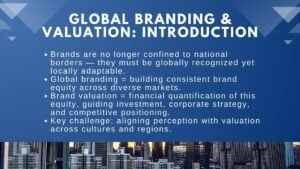
Brand equity objectives in multinational corporations can also be to match global brand identity but with local market adjustment. This equilibrium is especially applicable in the case of brand equity 2025, where the global presence and the local authenticity should co-exist.
4.2 Brand Equity as a Long-Term Asset
Brand equity goals are long-term as compared to short-term marketing ones. They need long term investment, consistency in message and interdepartmental alignment. Those firms that consider brand equity as a strategic resource and not a promotion tool are more likely to create sustained competitive advantage.
5. Measuring Brand Equity: Understanding the Brand Equity Graph
One of the most difficult things about brand management is to quantify brand equity. Brand equity graph is a widely exploited conceptual and analytical framework to create a visual representation of how the brand value is changing with time.
5.1 Interpreting Brand Equity Trends
A brand equity chart is usually a plot of brand strength or value versus time which shows the effects of strategic actions, market shocks or reputational happening. An example of reputational risk is a steep decline after product recall, and an example of steady brand investment is trends that move steadily in an upward direction.
Such graphs in brand equity 2025 are becoming reinforced by real-time data, such as digital engagement metrics, and sentiment analysis.
5.2 Decision-Making Applications
Brand equity graphs are used by executives when making decisions about rebranding, market entry or portfolio rationalisation. These graphs would form a bridge between the performance of the marketing process and creation of shareholder value when they are used together with finance metrics.
6. Brand Equity and Goodwill: Financial and Accounting Perspectives
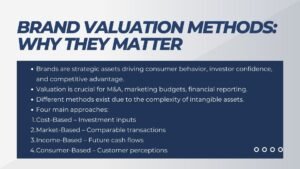
Brand equity goodwill relationship is of special significance in the merger and acquisition. At the time of acquiring a company above its net identifiable assets, brand equity tends to be a considerable goodwill explainable.
6.1 How Brand Equity Contributes to Goodwill
Brand equity goodwill occurs when good brands create economic benefits to the future that cannot be completely isolated economically and recognised in accordance with accounting standards. In most acquisitions identifiable brand assets are recognised differently and any residual value assigned to overall brand strength transferred into goodwill.
As an example, the global consumer brands have a high goodwill rate as brand equity helps in maintaining a stable supply of revenue and expansion around the world.
6.2 Impairment and Risk Considerations
The changes in brand equity would have a direct impact on financial statements because goodwill is subject to test of impairment. The collapse in brand perception may lead to impairment of goodwill, which affects reported earnings. This relationship explains why brand equity 2025 debates are adopting a more financial rather than a marketing focus.
7. Brand Equity 2025: Trends Shaping the Future
Digital transformation, demands on sustainability, and stakeholder capitalism define brand equity 2025. The brands are not judged just based on the quality of the product but also based on ethical behavior, impact on the environment, and social impact.
Companies incorporating ESG into the brand strategy usually enhance the long-term brand equity. This development extends traditional brand equity 4 elements and brand equity 5 elements framework to incorporate purpose and contribution to the society.
8. Practical Integration Across the Organisation
Brand equity has to be cross-functional, in order to maximise value. Awareness and association are established by marketing teams, quality consistency is achieved by operations, internal brand culture is supported by HR and brand performance is connected with valuation and goodwill by the finance team.
Such cross-functionality integration is core towards the fulfillment of brand equity goals and maintenance of competitive advantage in diverse markets.
9. Conclusion: Why Brand Equity Matters More Than Ever
Learning about brand equity what does it mean is crucial to organisations that have to navigate the economy where intangible asset is predominant. Brand equity is a strong influencer of financial performance and goodwill whether it is analysed by brand equity 4 elements or expanded into brand equity 5 elements or evaluated by a brand equity graph.
The fit between brand strategy, valuation, and long-term objectives will become the market leaders as businesses get further into brand equity 2025. The more proactive companies to manage brand equity goodwill and establish explicit brand equity goals will be in a better position to achieve sustainable value through withstanding market volatility and preserving stakeholder trust in a growing transparent and competitive global environment.