Brand Positioning Techniques to Strengthen Market Presence
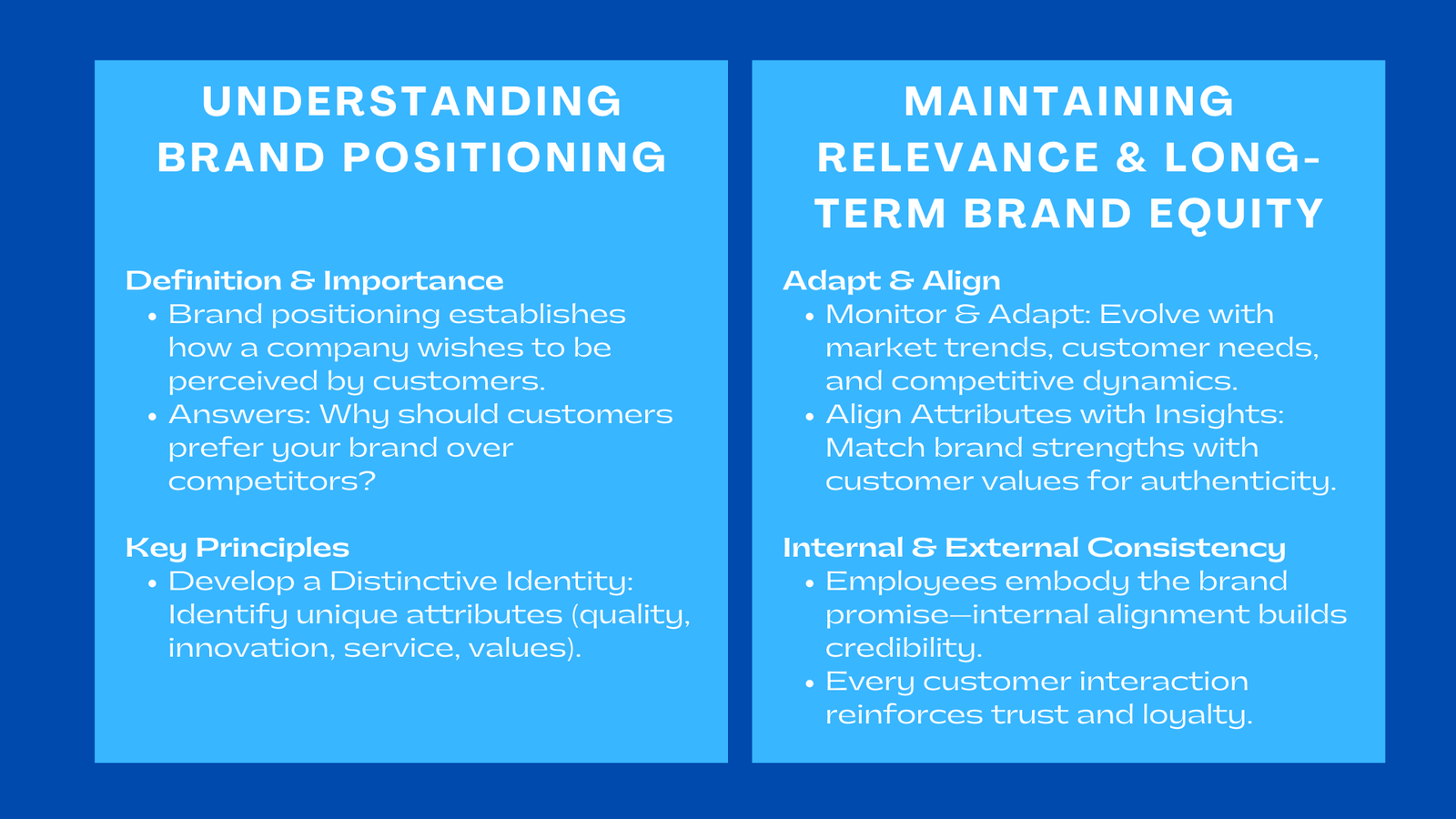
Brand positioning refers to an art of establishing how a company would wish to be appreciated in the minds of its clients. It is one question that it is answering: Why must customers prefer your brand positioning strategies for competitive market advantage Singapore to others? Positioning is more than just the slogans; it conveys value, a value that stands out among the competitors and that all marketing and communication is founded on positioning.
The current market environment with consumers being inundated with options has resulted in brand positioning making or breaking a company. On one hand, it is not sufficient to provide quality, business must convey relevance, and emotional appeal. Positioning provides the establishment of such a kind of connection where what the company says it offers is conjoined to what is important to the customer.
Moreover, brand positioning is not static—it evolves as customer preferences, market dynamics, and competitive landscapes shift. Companies must continually monitor perceptions, assess competitive positioning, and refine their messaging to maintain relevance and differentiation. In essence, brand positioning is both an art and a science: it combines market research, consumer psychology, and creative storytelling to craft a brand identity that is memorable, meaningful, and strategically advantageous.
Ultimately, a strong brand position becomes a guiding compass for a company, influencing every decision from product innovation to marketing campaigns. It ensures that customers not only recognize the brand but also understand its value, feel connected to its message, and are motivated to choose it over alternatives—turning perception into preference and engagement into loyalty. Through intentional and consistent brand positioning, businesses can cultivate a competitive edge that drives growth, strengthens market presence, and creates enduring relationships with customers.
Developing a Distinctive Market Identity
Identifying Unique Brand Attributes
The foundation of a powerful brand position begins with understanding what makes the brand truly unique and meaningful to its audience. These defining attributes may include superior product quality, innovative design, personalized service, technological advancement, or even a distinctive corporate ethos that reflects authenticity and trustworthiness. Just as businesses must carefully select the right business valuation methods in Singapore to determine their true worth, brands must identify and emphasize the qualities that make them stand out to their customers.
A strong brand identity begins internally — through self-assessment and introspection. Organizations must conduct an in-depth internal analysis, engaging leadership teams, frontline employees, and even loyal customers to uncover the differentiating elements that define who they are and what they stand for. This exercise goes beyond identifying strengths; it involves understanding the emotional triggers that make consumers choose one brand over another.
Once these differentiators are clearly understood, they must be articulated in a way that aligns with customer expectations and aspirations. The clearer the differentiation, the easier it becomes for consumers to recognize, recall, and choose the brand amid the noise of a saturated marketplace.
In Singapore’s highly competitive business environment, where international brands compete with emerging local enterprises, identifying and amplifying unique brand attributes can determine whether a company achieves lasting recognition or fades into obscurity.
Creating Compelling Positioning Statements
Once brand attributes are defined, they should be translated into clear, compelling, and emotionally resonant positioning statements. These statements serve as the foundation for all brand communications — functioning as the “north star” guiding marketing, sales, and customer service interactions.
An effective positioning statement captures the brand’s promise, its target audience, and its differentiating factor in one concise narrative. It should express what the brand delivers and why it matters. A well-crafted positioning statement also becomes a benchmark for all forms of brand storytelling, helping organizations maintain a consistent message across channels.
Every message — whether it’s a digital advertisement, social media campaign, or an investor pitch — must echo the same tone, intent, and brand promise. Consistency builds recognition and familiarity, while inconsistency dilutes trust and creates confusion in the minds of customers.
Moreover, positioning statements should evolve as the company grows. As businesses expand into new markets or adopt new technologies, their brand voice must adapt to remain relevant while retaining its core essence. This continuous evolution ensures that the brand remains relatable to both long-term customers and new audiences.
Ensuring Consistency Across Touchpoints
For positioning to be truly effective, it must be reinforced at every customer touchpoint — both online and offline. From the design of advertising visuals and tone of social media posts to website user experience and even post-sale support, the brand’s voice, visuals, and values must remain coherent and unified.
A consistent customer journey ensures that the brand promise feels authentic and tangible. Customers tend to trust brands that “walk the talk” — meaning that what is promised in marketing aligns with what is experienced in reality. This authenticity fosters credibility, satisfaction, and emotional loyalty.
When customers repeatedly encounter a unified brand message, they begin to associate it with reliability, quality, and trustworthiness. Over time, this consistency translates into strong brand recall — an invaluable asset that influences purchasing decisions even in the presence of competing options.
Many of the world’s most successful brands, from Apple to Singapore Airlines, demonstrate the power of consistent brand positioning. Every element — from visuals and messaging to service delivery — reinforces the same emotional connection, ensuring customers know exactly what to expect.
Leveraging Market Research for Strategic Insights
Market research is the backbone of any effective positioning strategy. It provides deep, actionable insights into customer behavior, needs, and perceptions. By understanding how consumers view competing brands and what they value most, companies can identify strategic opportunities to differentiate themselves.
Effective research goes beyond basic demographic data. It explores psychographics — the motivations, values, and emotional drivers that influence consumer decisions. Qualitative insights such as interviews, focus groups, and sentiment analysis provide nuanced understanding, while quantitative studies validate these insights at scale.
Armed with this knowledge, brands can refine their messages to highlight areas of strength that competitors may overlook. For example, a company that discovers through research that customers value sustainability can emphasize its eco-friendly initiatives as part of its brand identity, thereby deepening emotional connection.
In Singapore’s innovation-driven market, integrating research with analytics allows brands to predict consumer trends and adapt quickly. Businesses that consistently invest in understanding their audience tend to position themselves more effectively — aligning product relevance with customer aspirations.
Aligning Brand Attributes with Customer Insights
Successful brand positioning is not only about differentiation; it’s about meaning. It is not enough to stand out — a brand must stand for something that resonates deeply with its audience.
When a company’s internal strengths are aligned with what matters most to customers, it creates a brand that feels both authentic and aspirational. This alignment transforms a company from being just another option into a preferred choice.
By merging data-driven insights with a brand’s intrinsic values, businesses can craft positioning that is credible, emotionally engaging, and future-focused. This balance between differentiation and relevance is what sustains growth and builds market leadership over time.
Moreover, aligning brand attributes with customer expectations ensures long-term loyalty. Customers today seek brands that mirror their beliefs, lifestyles, and aspirations. When a company consistently delivers on these shared values, it cultivates not just customers — but advocates who amplify its message organically.
Maintaining Relevance and Competitive Advantage
Adapting Positioning to Market Changes
A robust brand positioning strategy must remain fluid and adaptive. In a world where market trends and consumer preferences change rapidly, flexibility is crucial. Companies that continuously monitor cultural shifts, economic movements, and technological innovation can pivot their messaging effectively.
This adaptability prevents stagnation, keeping the brand fresh and engaging even as competitors evolve. Brands that fail to adjust risk losing relevance, regardless of their past success.
For instance, Singaporean companies in sectors like finance and retail have embraced digital transformation not only in operations but also in communication — ensuring their positioning reflects innovation and customer-centric agility. This ability to evolve ensures continued resonance across different market cycles.
Aligning Value Proposition with Customer Needs
As customer expectations shift, brands must continually refine their value propositions. Modern consumers are more informed, discerning, and purpose-driven than ever before. They seek brands that not only meet functional needs but also align with their personal values and lifestyles.
A company that understands these motivations can tailor its communications and offerings to maintain relevance. By doing so, it strengthens emotional loyalty and enhances customer lifetime value. This alignment also contributes to stronger brand advocacy — where satisfied customers become ambassadors who influence others.
In corporate practice, revisiting the value proposition annually or after major market changes ensures that the brand remains aligned with evolving priorities, whether those involve sustainability, innovation, or social responsibility.
Building Internal Alignment for Brand Consistency
True brand positioning is not confined to marketing — it must be embodied internally. Employees across all departments, from marketing to operations to customer service, must understand and live the brand’s identity daily.
When an organization’s culture reflects its brand promise, authenticity becomes visible to customers. This alignment builds credibility and converts employees into passionate brand advocates who reinforce the company’s reputation.
Internal brand training, leadership modeling, and employee engagement initiatives are powerful tools to sustain this alignment. In Singapore’s competitive job market, where employer branding also impacts reputation, internal brand coherence becomes an important strategic advantage.
Enhancing Credibility Through Consistency
Consistency is one of the most powerful drivers of brand credibility. Delivering on promises across all channels — advertising, customer service, and product experience — demonstrates integrity and reliability.
In a trust-based market such as Singapore, where reputation strongly influences purchase decisions, dependability is a key differentiator. Customers are more likely to choose and remain loyal to a brand they perceive as consistent and transparent.
By ensuring coherence between brand message and customer experience, companies reinforce both authority and trust. This consistency also creates emotional security, a factor that drives long-term loyalty even in fluctuating economic climates.
Connecting Brand Loyalty with Strategic Goals
Ultimately, dynamic strategies focused on how to strengthen brand presence and customer loyalty Singapore—combined with strong internal alignment—enable companies to maintain long-term competitiveness.
Each customer interaction becomes a touchpoint that contributes not only to satisfaction but also to strategic growth. When customer loyalty aligns with organizational goals, the brand’s influence extends beyond marketing — it becomes a key performance driver across departments.
This synergy between branding, culture, and performance allows companies to convert perception into profit, and reputation into measurable business success.
Sustaining Long-Term Brand Equity
Building Authentic and Adaptable Brands
Sustained brand equity results from the delicate balance between consistency and innovation. Brands that remain true to their values while adapting to evolving market needs build deeper emotional bonds and stronger reputations.
Consumers today reward brands that are authentic, transparent, and socially responsible. They want to engage with companies that listen, respond, and evolve — not those that merely advertise.
Aligning Messaging with Evolving Market Contexts
To maintain momentum, organizations must ensure that their brand story grows alongside cultural and technological developments. Adjusting communication strategies to reflect societal relevance ensures that the brand identity remains strong and meaningful across generations.
For example, companies that incorporate sustainability or inclusivity narratives into their branding often experience renewed engagement, as these reflect the priorities of modern consumers.
Leveraging Data for Positioning Insights
In the digital age, businesses have access to rich data that can continuously refine positioning strategies. Customer feedback, social sentiment analysis, and behavior tracking help identify which messages resonate and where improvement is needed.
Data-driven decision-making enables precision marketing — ensuring that every campaign and customer interaction reinforces the brand’s promise while improving ROI.
Refining Communication Strategies for Lasting Impact
Constant refinement ensures that a brand stays emotionally relevant and strategically strong. Proactive adjustments, based on feedback and analytics, allow organizations to adapt without losing their identity.
Over time, these deliberate enhancements transform awareness into trust, trust into preference, and preference into advocacy — the ultimate sign of brand equity.
Conclusion to Brand Positioning Techniques to Strengthen Market Presence
Positioning of a brand is not a mere marketing strategy, it is a business strategy of building visibility, loyalty as well as dominance in the market. When done properly, it establishes a close emotional connection with how to strengthen brand presence and customer loyalty to Singapore customers and determines a position of a brand in the market. Strategic positioning allows a business to communicate its unique value proposition, differentiate itself from competitors, and resonate deeply with its target audience.
Through learning the techniques of positioning, businesses are able to position their value better, position themselves better and trigger greater customer loyalty. Positioning brings about recognition, preference, and reputation with time which becomes effective. Finally, good brand positioning would render a company’s presence more of a many-to-one presence and make the presence influential, and sustainable in the mind of its audience. Over time, consistent and well-aligned positioning builds recognition, preference, and a solid reputation, transforming the brand into a trusted and influential entity. Ultimately, successful brand positioning turns a company’s presence into a meaningful and sustainable many-to-one connection with its audience, where the brand becomes not only recognized but also respected, preferred, and deeply ingrained in the minds of customers.