Implementing Brand Valuation in Mergers
Implementing Brand Valuation Strategy in M&A: The Process of Integrating Brand Valuation
Introduction to Implementing Brand Valuation in Mergers
One of the most intricate and risky transactions in the corporate finance is mergers and acquisitions (M&A). Although the financial modeling, legal due diligence, and operational integration of the deals are the most discussed aspects, the strategic value of the brand valuation is ignored. However in contemporary M&A cultures brand value often comprises a significant part of overall deal value. It is no longer a luxury to comprehend and incorporate brand valuation into all the phases of M&A process, but rather a necessity to ensure the achievement of long-term synergy, stakeholder trust, and success after a deal. This paper examines the role of a strong M&A brand valuation strategy in facilitating the decision-making process, negotiation, and integration, and the way on how organisations can properly utilize a systematic approach to implement brand valuation in their M&A models.1. Identifying Strategic Importance of Brand Valuation in M&A.
1.1 Brand Value as a Foundational Transaction Mover.
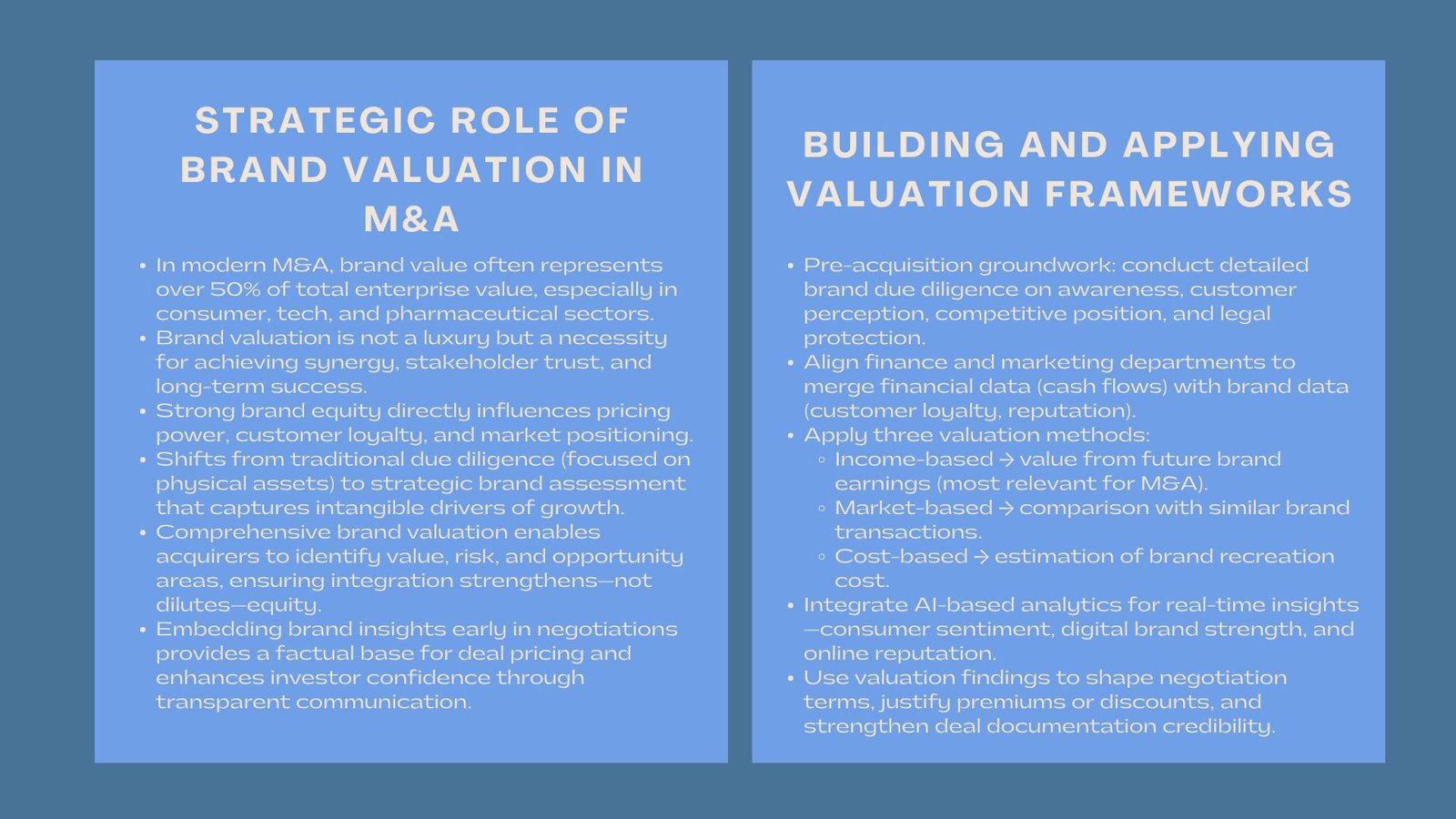
Intangible assets like brands can constitute over fifty percent of the enterprise value in sectors like consumer goods, pharmaceuticals, technology and others. The value of brand that a particular company holds is not an empty symbol when it sells its business to another, it dictates the power of pricing, the positioning in the market and loyalty of the customers. The valuation of the brand at the initial stages of the deal makes certain that the acquirers are familiar with the entire range of the target business value.1.2 The Changing Financial to Strategic Integration.
The M&A due diligence was traditionally restricted to physical assets and financial statements. Nevertheless, in the market of 2025, success is more and more determined by the level of efficiency of an acquirer to evaluate, retain, and develop the brand equity of the target. An in-depth valuation can determine the elements of brands that drive value, risk, and improvement areas- such that post-deal integration does not erode value but instead makes it dilute.2. Pre-Acquisition Phase: Installing the Valuation Groundwork.
2.1 Brand Due Diligence.
It is important to carry out brand due diligence before the deal closes. This includes analysis of the brand awareness, perception of customers, competitive positioning and legal protection (trademarks and copyrights). The analysis is also used to determine the extent to which the financial performance of the company can be attributed solely to its brand. As an illustration, an acquiring company can find out that the growth of the revenue of a target is largely reliant on brand loyalty in a given area. These insights have an impact on pricing negotiation and integration priorities. This stage is where the brand valuation implementation guide becomes vital, offering a structured methodology to assess brand strength and its economic contribution.2.2 Aligning Financial and Marketing Perspectives
In pre-acquisition stage, finance and marketing departments should liaise. Finance departments will give information about historical cash flows, marketing will give information about customer relations and the perception of the brand. Such cross-functional alignment means that the valuation values are not just based on financial values but also on the underlying brand story that is the cause of further profitability.3. Valuation Methodology: Constructions of the Analytical Framework.
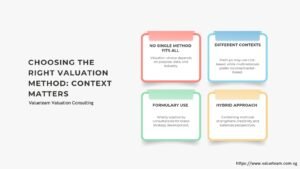
3.1. The Choice of the Right Approach to Valuation.
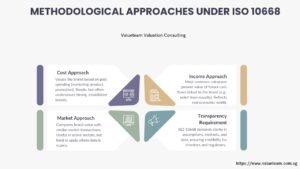
Brand valuation is done with three major methodologies:- Income-based method- the brand value is calculated based on its future earnings that can be expected to be generated by the brand.
- Market-based approach – makes comparisons between the brand and the similar brands sold or licensed.
- Cost-based – method estimates the cost of re-creating the brand.
3.2 Adding Market and Consumer Analytics.
Valuation in the contemporary world extends beyond the financial aspects. It has now incorporated AI-based market analytics, consumer sentiment score keeping, and competitive benchmarking to generate a multidimensional evaluation of brand strength. With these analytics, the business will be able to access real-time data on customer loyalty, online reputation, and brand support- which are essential elements in bargaining on fair valuation during acquisitions.4. Deal Negotiation: Using Valuation Insights to Shape Terms
4.1 Strengthening Negotiation Leverage
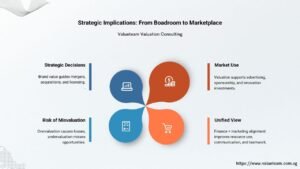
A well-supported M&A brand valuation strategy gives acquirers a factual basis to negotiate price and deal terms. When the assessment indicates unrealized brand potential, e.g. an under-exploited sub-brands or market expansion, buyers can offer a premium price. On the other hand, when the market relevance of the brand is on the down turn, the valuation gives ground to bargain a discount.4.2 Perception and Investor communication management.
Data on brand valuation improves the level of transparency and credibility in investor and stakeholder communications too. The standardized metrics of valuation can assist both sides in the negotiations to talk about brand strength, which is objective and avoids emotional appeal and ambiguity. Good display of brand value in deal documentation enhances investor confidence and helps to approve easier.5. Post-Acquisition Integration: Making Valuation Work.
5.1 Planning a Roadmap of Brand Integration.
After the acquisition has been done, evaluation is no longer the issue but implementation becomes the issue. A brand integration roadmap converts the valuation knowledge into actual action plans. This road map will explain what brand assets will be maintained, combined or sold out- to maintain a market identity and message. As an illustration, in the merger between two global brands, the keen analysis can show that the two brands are retained in the early days to allow the customers to build trust in the companies and then a new brand name is adopted slowly to replace the old brand names. This process is guided by the valuation results which make sure that the integration decisions do not ruin equity but instead preserve it.5.2 The Post-Deal Brand Performance Measuring.
Once it is integrated, there should be a continuous monitoring of the integration process in order to establish whether the expected synergies are being achieved. Efforts on the valuation projection are measured on metrics like brand awareness, market share, and customer retention. Real-time analytics tools allow the management teams to detect poor performing areas in a short period of time and take measures to correct the performance. This is a feedback loop, which makes sure that the brand will still fulfill its intended financial and strategic worth after acquisition.6. Standard Problems in Brand Valuation Integration.
6.1 Data Irregularities Among Entities.
Irregularity in the nature of data between the acquiring company and the target company is one of the key setbacks in brand valuation integration. The valuation accuracy can be distorted by differences in reporting standards, data collection procedures, and marketing measures. This risk is mitigated through the development of standard data protocols in the early due diligence process.6.2 Cultural and Strategic Misalignment.
Other than the figures, brand integration is concerned with corporate culture and values alignment. A brand equity will be thus destroyed following the merger even in case two brands seem complementary on paper but cultural clashes occur. It is essential to ensure that the two organizations have brand identities, mission statement, and philosophies of customer engagement that are compatible to avoid losing long-term value.7. Case Application: Valuation into Market Advantage
7.1 Case Application: Valuation into Market Advantage.
One of them is the merger between two regional banks in Southeast Asia. Before the merger, a careful brand appraisal showed that the digital-first image of one of the banks was more likely to drive loyalty in younger consumers as compared to the other, which had higher institutional authority. With the valuation information, the new entity came up with a hybrid branding strategy, retaining believability of one brand, yet adopting the innovation cues of the other brand. The post-deal performance within one year showed a 15 percent increase in market share and an improved investor sentiment in the merged brand with valuation-driven integration proving to be the key factor in direct performance improvements.8. Future of Brand Valuation in Merger and acquisition strategy.
With the progress of AI, predictive analytics, and digital monitoring, the valuation of the brand in M&A will only get more dynamic. The real time valuation technologies will allow the executives to simulate various integration scenarios and model brand outcomes with high precision. Besides, the ESG (Environmental, Social, and Governance) factors will likely be included in the valuation models, and the impact of sustainability and ethical reputation on brand value in the long term can be considered. By 2025 and later on, brand valuation will cease being a supporting service and become one of the pillars of M and A strategy – not only in the pricing of the deal but also on post-acquisition transformation and market expansion strategy.Conclusion: The merger of Brand Valuation to achieve Long-term Success.
Incorporating the concept of brand valuation into the M&A process turns a complicated process with a complex transaction into a strategy based on values. It makes sure that the abstract nature of a brand such as reputation, loyalty and trust are not lost in spreadsheets and balance sheets. A structured brand valuation implementation guide empowers companies to quantify, protect, and enhance this value throughout the deal lifecycle. Organizations that embed brand valuation at the heart of their M&A frameworks gain a decisive advantage: they understand not only what they are buying, but what that brand means to customers, investors, and the market at large. In doing so, they unlock the true potential of brand equity as a driver of post-merger success and sustainable growth.Frequently Asked Questions
Q1. Why is brand valuation important in mergers and acquisitions?
Brand valuation helps buyers and sellers determine the financial value of a brand as part of the overall transaction. A well-supported valuation can improve pricing accuracy, strengthen negotiations, support due diligence, and ensure that valuable intangible assets are properly considered during the merger or acquisition process.
Q2. How does brand valuation support M&A due diligence?
During due diligence, brand valuation helps assess the strength, market position, customer loyalty, and revenue-generating potential of the target company’s brand. This analysis allows acquirers to identify risks, evaluate potential synergies, and make more informed investment decisions before completing the transaction.
Q3. What valuation methods are commonly used for brands in mergers?
The most common approaches are the income approach, market approach, and cost approach. In many M&A transactions, businesses also use methods such as discounted cash flow (DCF) analysis and the relief-from-royalty method to estimate the economic value of a brand and its future earnings potential.
Q4. How can brand valuation influence post-merger integration decisions?
Brand valuation provides insights into the relative strength and value of each brand involved in the transaction. This information helps management decide whether to retain, merge, reposition, or retire certain brands while developing an effective post-merger branding strategy that preserves customer loyalty and maximizes value creation.
Q5. Is brand valuation required for financial reporting after a merger?
Yes. Following a business combination, accounting standards such as IFRS 3 may require acquired intangible assets, including brands, to be recognized and measured at fair value. A professional brand valuation helps support purchase price allocation, financial reporting compliance, and audit requirements.