Certified Brand Equity Investment and Valuation
Why Investing in Brand Equity Strengthens Long-Term Business Value
Introduction: Certified Brand Equity Investment and Valuation
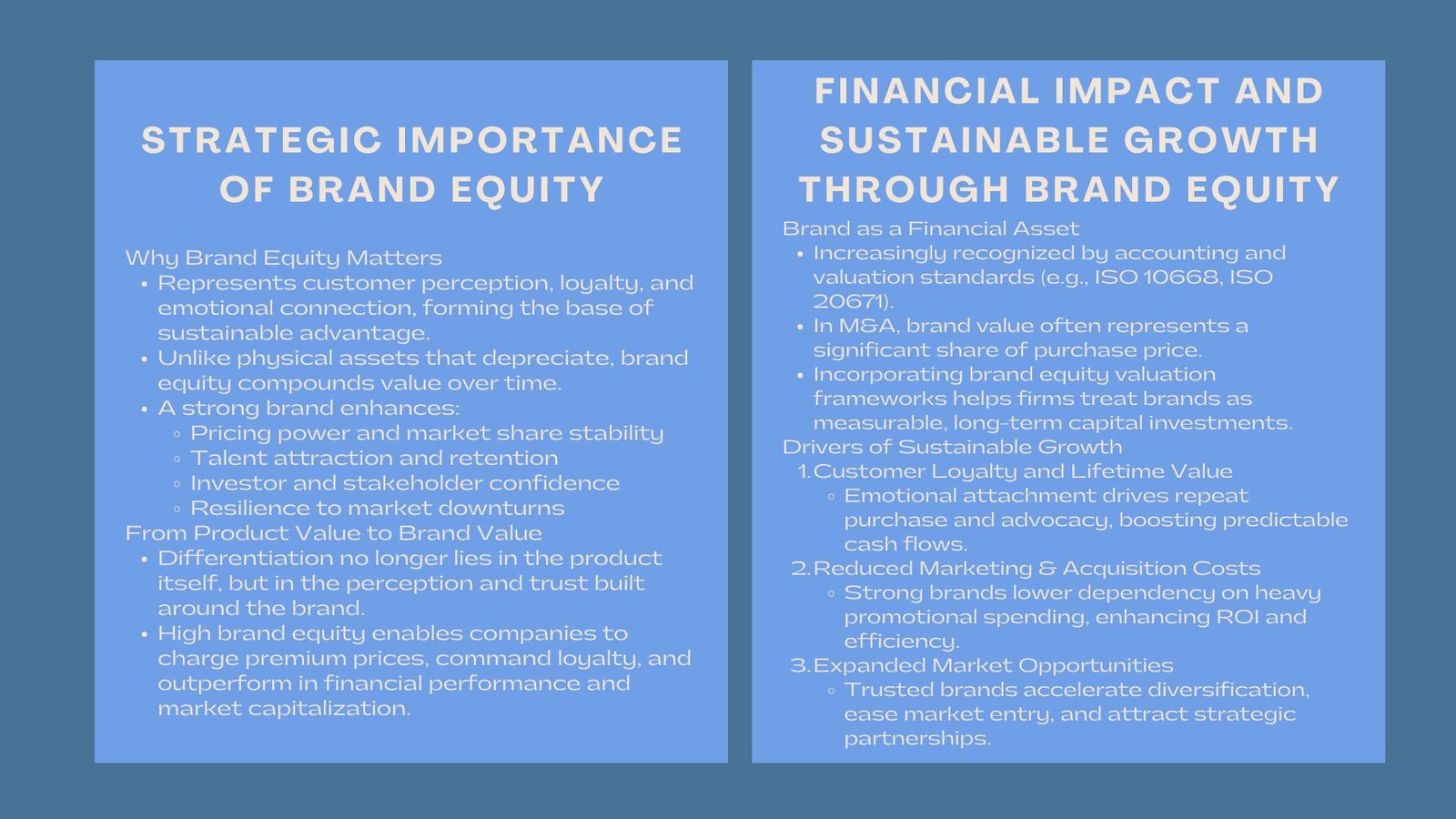
Financial capital is no longer enough to propel growth in the world today, which is a hyper-competitive market. The most stable corporations in the world, including the technology giants and consumer leaders are gaining their force to a large extent out of something less tangible though much more lasting, which is the brand equity. A strong brand does not only appeal to customers and generate high-level pricing but also increase resistance to economic decline. As a financial expert and corporate strategist, it is necessary to understand how brand equity can be converted into business value over time. Brand equity is an accumulated customer perceptions, loyalty and emotional attachment towards a brand. Brand equity builds, as opposed to the depreciation of physical assets, which produces sustainable competitive advantage. This article discusses the reasons why strategic investment in brand equity has risen to become one of the priorities of boardrooms, the ways that companies can measure and increase it, and why it needs to be treated as a financial asset just like any other asset.Learning the Strategic Significance of Brand Equity.
The Product to Brand Value Paradigm Shift.
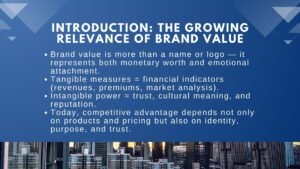
The current markets are flooded with products and services of the same nature and brand differentiation is the most effective tool of long term success. Whenever customers buy a brand that has similar features or price as the other yet the price is similar, they are rewarding perceived value. It is the perception that is founded on trust, identity, and experience, which is the brand equity. Good brand equity enables them to charge price premiums, receive and retain talent, negotiate better terms with their suppliers, and ride the storm of competition. Marketing success is not the only long-term payoff but its manifestation is in the financial performance, shareholder confidence, and market capitalization.Brand Equity Financial Asset.
The financial reporting standards are becoming more interested in recognising the intangible assets, yet most organisations continue to undervalue the financial importance of their brands. The brand in the case of merger and acquisition may constitute a considerable part of total purchase consideration. Established, reputable brand minimizes the investment risk perception and increases the speed of post-acquisition integration. By incorporating the brand equity measurement and valuation framework Singapore into corporate reporting, companies gain an empirical foundation for understanding how brand performance affects revenue stability and cost efficiency. This fact-driven solution makes it possible to consider brand investments as a form of long-term capital investments, which can be measured and will provide a certain return.Developing Stakeholder Trust and Reputation.
Brand equity is not just the perception of the customers but it influences the perception of the investors and regulatory bodies and employees regarding the credibility of an organization. Firms that foster good, transparent brands create trust among its stakeholders, minimise the reputation risk and guarantee the continuance of business in the long term. With the ESG (environmental, social, and governance) factors becoming the focus of investment decisions, brand trust has become an inherent element of the corporate sustainability indicators.The role of Investment in Brand Equity in Sustainable Growth.
Improving Customer Loyalty and Lifetime Value.
Customers who are loyal are the surest source of revenue to any business. High brand equity creates emotional sense of loyalty and buying behavior which tends to be unaffected by changes in price. Such customers are also brand champions and increase the reach of the brand by influencing through word-of-mouth and social media. Loyalty is cumulative, and the outcome of loyalty in terms of customer lifetime value (CLV) which is a crucial indicator of future profitability. An advocate is developed through a brand that keeps its promises, and this fact leads directly to a regular cash flow and market dominance.Reduction of Marketing and Acquisition Costs.
Another aspect that is contrary to the traditional assumptions is that investing in brand equity can lead to the decrease of long-term marketing expenditure. Once there is great recognition and trust in a brand, it will be easier and not reliant on aggressive promotional expenditures that will result in an easy acquisition of customers. Marketing campaigns are more rewarding since the audiences would be more inclined to participate in reputable brands that they are already familiar with. In the long run, this vicious cycle enables companies to spend resources in a more responsible way by prioritizing innovation and customer experience over the continuous creation of awareness. Compounding economic efficiency is therefore created through strong brand equity.Increasing Market Opportunities.
Brand equity facilitates the increase of a new market or product without much opposition. Customers have higher chances of testing new products that are introduced by companies they are already doing business with. This halo effect is accelerating the diversification and revenue growth and minimizing the market entry risks. Financially these strategic flexibility increase enterprise value as investors would prefer to invest in businesses which are able to use brand power in a variety of business lines. Strong equity brands are able to market their partnerships and bring on board joint ventures, licensing, and other collaborative growth.How to Measure Brand Equity and Manage It.
Valuation of Intangibles to make a better decision.
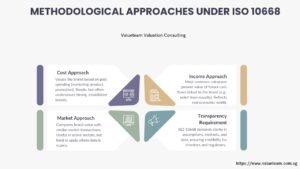
It is a combination of financial, behavioral and perceptual data that has to be combined to accurately measure brand equity. Quantitative measures, such as market share, price premium and profit margins, need to be supplemented with qualitative information such as brand awareness, associations and emotional resonance. When organizations are standardized, such as in ISO 10668, the transparency and comparability in brand valuation is higher. The comprehensive brand valuation process for corporate reporting Singapore standard, for instance, integrates legal, behavioral, and financial analyses to provide a defensible value estimate for internal management and external disclosure. This instilled method allows leadership teams to make sensible choices on capital allocation, as brand health is directly associated with financial success.Correlation between Brand Strategy and Corporate Objectives.
Brand equity has to be relevant to the business and in this case, it should be in line with the overall mission and performance objectives of the company. The finance and the marketing department should work together to make sure that all branding efforts are geared towards quantifiable business goals. In line with the alignment of brand positioning to investor message, corporate government and ESG, then the synergy between image and performance manifests. Such a combined plan supports the integrity of stakeholders and creates long-term value sustainability.Overseeing and Guarding Brand Reputation.
Brand equity is a dynamic resource which should be watched and guarded. Value can be destroyed fast due to external factors like public relations crisis, customer backlash, or regulatory nonconformity. To reduce these risks, the most successful companies have real-time brand monitoring which is an AI-driven sentiment analysis. These tools monitor perception and alert management changes to the potential threats before they escalate. Brand equity is a proactive management, ethical leadership and brand promise delivery in order to ensure the safeguarding of brand equity.Strong Brand Equity Financial Payoff.
Stability in Market volatility.
Brands with strong equity also ensure that the customer trusts and their revenue stream remain stable even during economic slowdown or industry calamity. Such a strength reduces earnings volatility and contributes to increased valuation multiples. To investors, brand strength is a symbol of reduced risk and increased potential of high long-term returns.Prices and Competitive Differentiation Power.
High equity brands are able to make premium prices and not lose consumers. This pricing power is a direct boost of profit margin and total profit on equity. Besides, it offers a shield against cost or competitive discounting. In the stock markets, there is a rewarding of companies that are able to maintain margins because of brand loyalty.Creation of Long-Term shareholder value.
Finally, shareholder value is generated through brand equity because of the enhancement of financial and non-financial performance measures. Strong brands provide companies with greater stability in the stock price, retention of talent and strategic flexibility. In the long-run, a stable investment in brand equity has compounding effects that increase enterprise value and investor confidence.Conclusion
Brand equity does not qualify as a marketing buzz-word, but it is a tangible, strategic asset, which has a direct impact on corporate valuation and wealth to the shareholders. In a time when intangibles predominate the balance sheet, brand equity investment is becoming one of the fundamental components of the sustainable business strategy. Firms that assume brand equity to be akin to financial capital with strong valuation systems and governance put the firms at the path of success which is sustainable. The most valuable businesses of 2025 and more will be companies who will not merely identify their brand as a symbol- but as the foundation of business value over time.Frequently Asked Questions
Q1. What is brand equity investment and valuation?
Brand equity investment and valuation involve assessing the financial and strategic value of a brand and understanding how brand strength contributes to business performance, customer loyalty, pricing power, and long-term enterprise value. These insights help organizations make informed decisions regarding investments, growth strategies, and value creation initiatives.
Q2. Who should attend a Brand Equity Investment and Valuation certification program?
This certification program is suitable for investors, business owners, finance professionals, valuation specialists, brand managers, consultants, private equity professionals, and corporate executives who want to understand how brand assets influence investment decisions and business valuation.
Q3. Why is brand equity important for investors?
Strong brand equity can enhance customer retention, support premium pricing, increase market share, and improve long-term profitability. Investors often consider brand strength when evaluating acquisition targets because a well-established brand can represent a significant source of future earnings and competitive advantage.
Q4. What methods are commonly used to value brand equity?
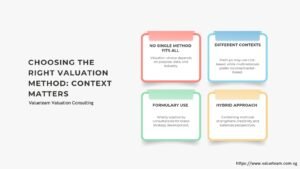
Brand equity is commonly valued using the Income Approach, Market Approach, and Cost Approach. Popular techniques include the Relief-from-Royalty Method, Discounted Cash Flow (DCF) analysis, and Excess Earnings Method. The selection of a method depends on the purpose of the valuation and the availability of reliable financial and market data.
Q5. How can brand equity valuation support business and investment decisions?
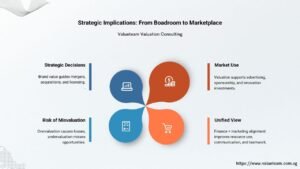
Brand equity valuation provides an objective framework for assessing the contribution of a brand to overall business value. It can support mergers and acquisitions, private equity investments, fundraising activities, licensing agreements, strategic planning, and financial reporting by helping stakeholders understand the economic impact of brand assets.